Peach Tree Medicine: A Cooling Summer Remedy
Peach is a supremely cooling remedy in the Rose Family, perfect for the summer. We most often work with the bark, flowers and leaves in herbalism, although the fruit is of course medicinal too. But for this monograph we’ll be focusing on the plant parts used to make medicinal preparations.
Read on to learn about Peach beyond just its culinary uses and get to know the medicine of this wonderful plant!
Peach Materia Medica
Peach Tree (Prunus persica)
Family Rosaceae
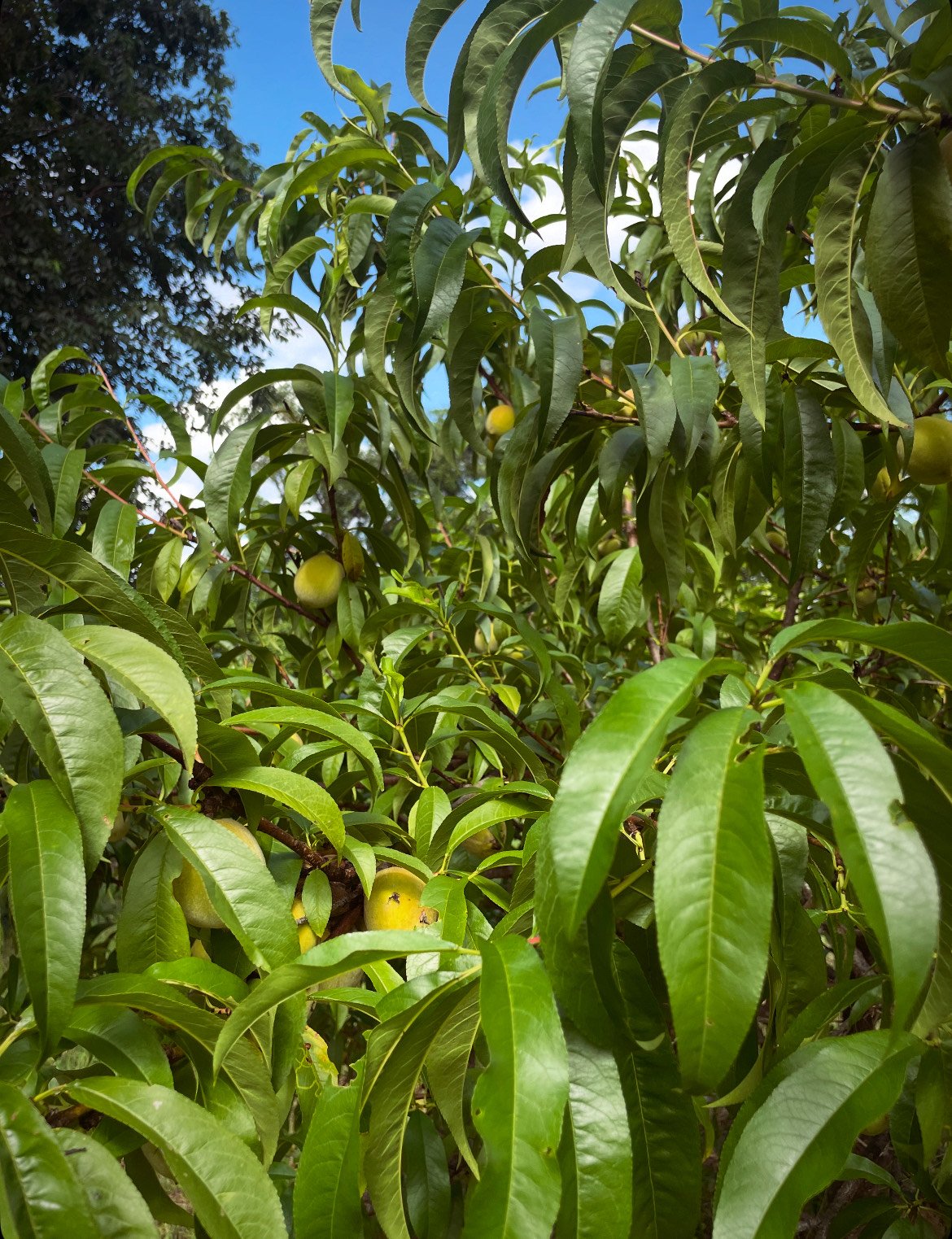
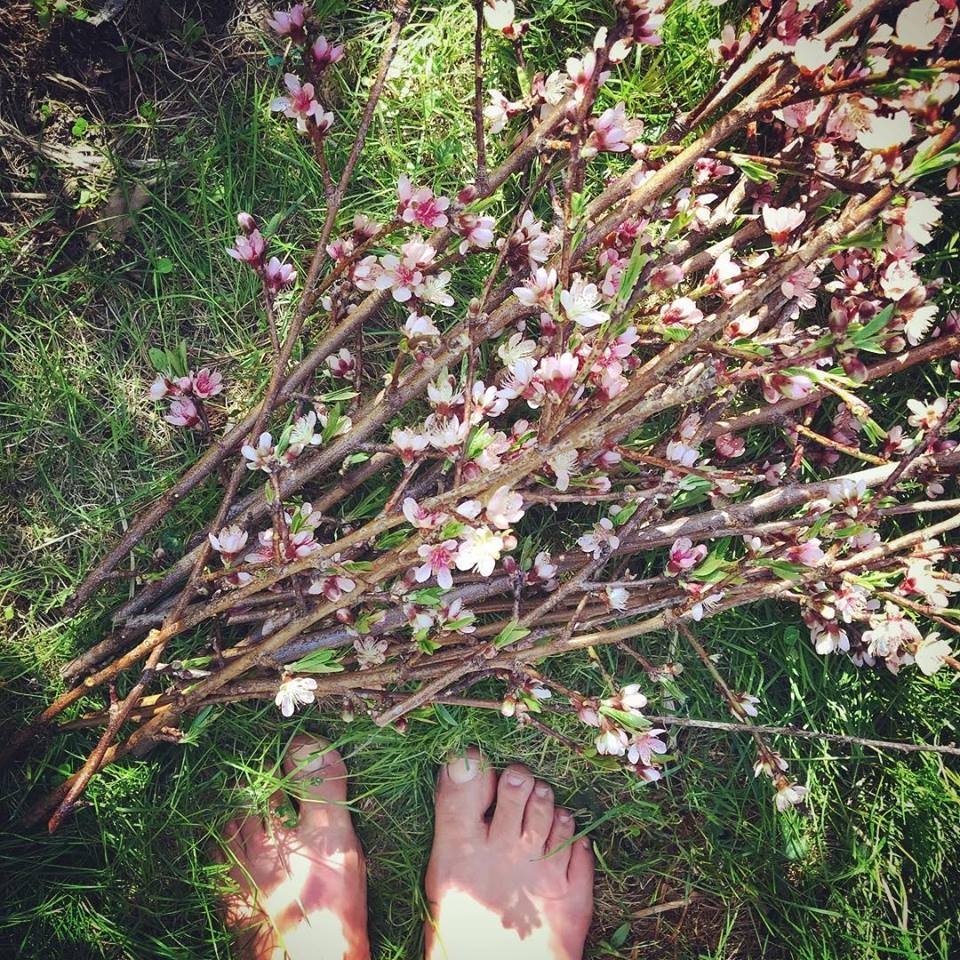
Part Used: Leaf, Flower, Twigs, Bark, Pits. Appalachian Folk Medicine mostly uses the leaves and most modern herbalists today use the twigs, bark and/or leaves based on what they have access to. I personally adore working with the twigs in the spring with the flowers. The bark is definitely a bit stronger than just the leaves, but the leaves still make fantastic medicine. Plant material should only be used fresh or dried, not wilted. Some herbalists avoid using the pit because of its high amygdalin content, but others work with it without concern.
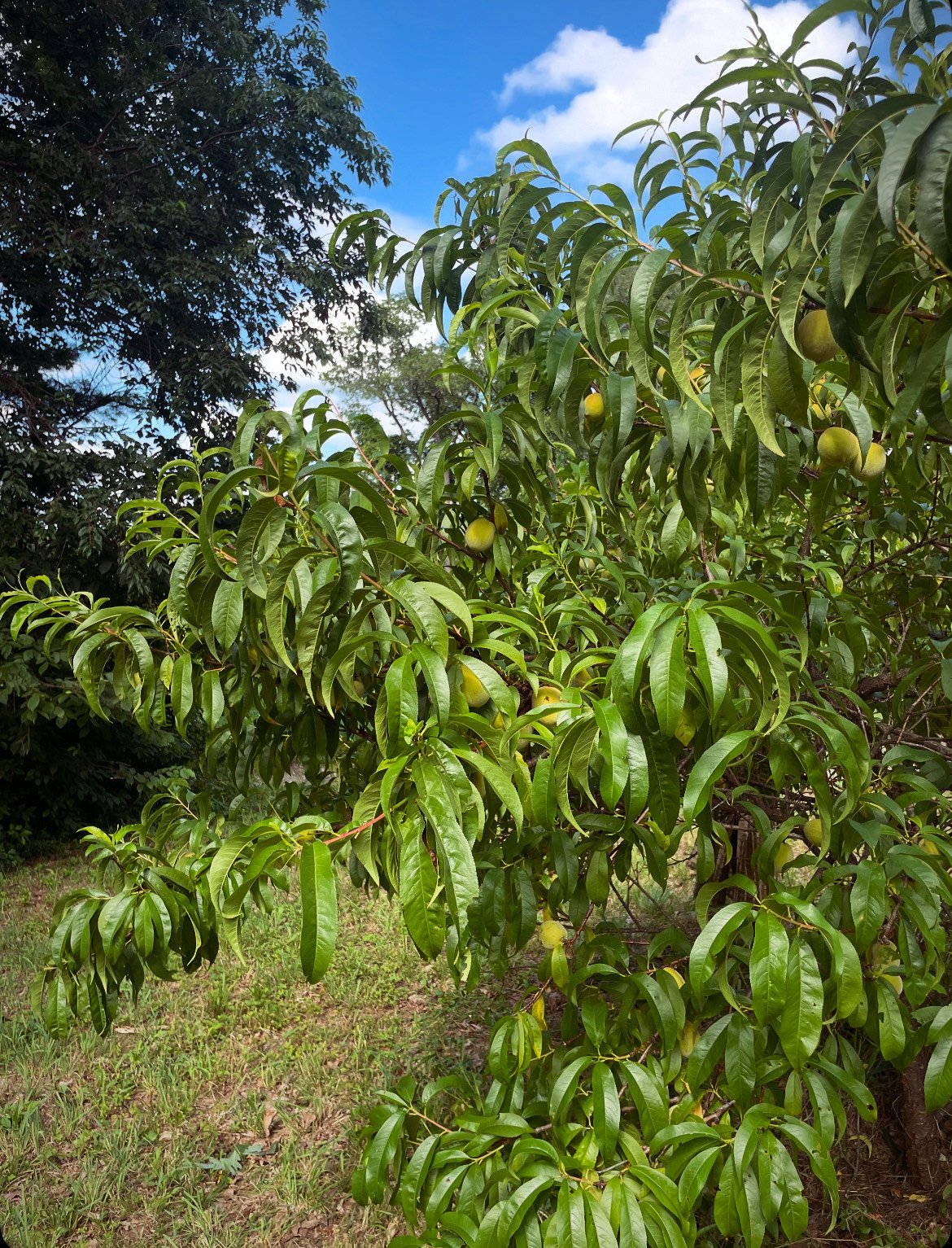
Description: Small deciduous tree that can reach up to 30 ft in height and can be pruned to keep small. Alternate lanceolate leaves, 2.8-6 inches long. Bears small soft pinkish-magenta flowers (2.8-3 cm in diameter) that arise alone or in a pair directly on the stems in early spring. Classic Rose Family flowers with 5 petals and multiple stamens. Flowers give way to the familiar fruit of mid-summer, peach! which has a single pit in the center of the fruit.
Collection: Collect the leaves when they are vibrant, anytime throughout the growing season. Bark/Twigs are best in spring or fall but can be collected anytime if the medicine is needed
Habitat & Range: Originally native to Northwest China where it was first domesticated and cultivated since at least 1100 BC. Now it is widespread throughout the entire temperate globe.
Cultivation: Easy to cultivate here in our temperate climate. Requires full-sun (at least 6-hours/day) and well-drained soil. Prefers nitrogen-rich soil and especially amendments like blood meal and bone meal, otherwise the leaves can yellow. Can be grown all throughout the continental US and can also often be found growing wild here as well as an escapee.
Herbal Ecology: Peach is a plant that has been wrapped up with people for thousands of years. It was first domesticated in its native China, where it has been cultivated since at least 1100 BC, and China is still the world’s leading producer of peaches. Peaches are mentioned in Chinese writings from 10th century BC and were a favored fruit of kings and emperors. It came to Europe via Persia (modern-day Iran), hence the Latin name persica, and was introduced to Europe by Alexander the Great after he conquered Persia. They were cultivated by the Romans. Introduced to America by Spanish colonists in the 16th century. Commercial peach production began in the US in the 1800’s in the south.
Taste: Sweet, Sour, slightly Bitter, Aromatic
Energetics:
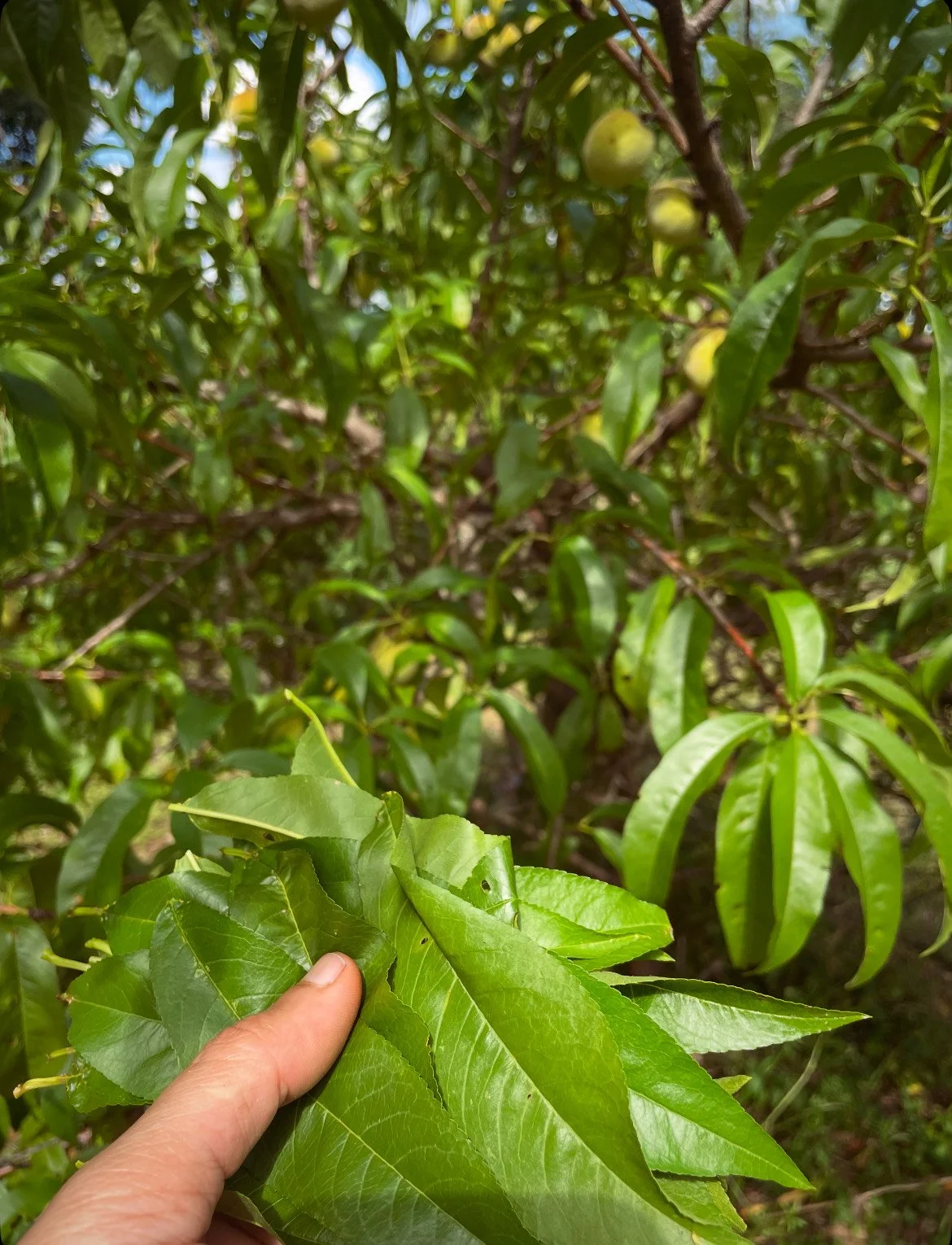
Bark + Leaves + Flowers- Cold, Moist
Pits- Neutral
Constituents: Oleic acid glycerides, alcohols, ketones, aldehydes, esters, polyphenols, terpenoids, cyanogen glycosides (inner bark + leaves + pit), amygdalin (pit)
Herbal Actions:
Bark + Leaves- Anti-nausea, antihistamine, alterative/blood purifier, anthelmintic, anti-spasmodic, soothing diuretic, slightly demulcent, expectorant, hepatic, laxative (large doses), nervine, refrigerant, sedative
Flowers- Anodyne, emetic, nervine, sedative
Pit- immunostimulant, anodyne
Uses:
BARK + LEAVES (bark is stronger but the leaves also work extremely well and are more practical to use):
The main indications for using this herb are signs of the tissue states of Irritation/Heat and Atrophy (dryness). The classic signs of someone with these Tissue States is a red, elongated, and pointed tongue that looks dry (if it looks wet then Rose is indicated). They might also suffer from skin issues, especially hives, and the mental states of irritation, irritability, anxiety, extreme tenseness, and even insomnia. Good for the Vata constitution, although not limited to it.
Specific Indications from Matthew Wood-Constitution, Complexion, and Characteristic Symptoms: Fair skinned persons with tendencies to sunburn, irritation from mild heat, allergies, auto-immune overactivity; heat and irritation of the skin and mucosa.
Nervous System-Wonderful herb for the nervous systemand is a relaxant nervine whose calming effects can often be felt immediately. It is a classic remedy in Southern Appalachian Folk Medicine for anxiety, nervousness, insomnia, acute grief, heart palpitations from nervousness and restlessness. Useful for over-excitability in children…think ADHD. Great for fist-clenching tenseness, PMS moodiness, and even anxiety attacks.
Formula from herbalist Kiva Rose- “One of my favorite tincture formulas for burnout/nervous exhaustion is 3 parts Milky Oats, 2 part Peach, 1 part Rose flower, 1/2 part fresh Ginger root and 1/4 part dried Nettle Seed. This is a nice smooth recipe to enhance mood, relax tension, calm the belly and cool excess heat. I do tend to work with it as a simple in most cases though, it is such a multi-dimensional and complex plant that it works very well on its own.”
Urinary System- Peach is a soothing diuretic, useful for UTI’s and any urethral irritation, especially when paired with a dry constitution. Also edema, irritable bladder, and retention of urine.
Digestive System- History of use in Appalachian Folk Medicine for nausea, and can also be used for nausea in children, like colic and vomiting, and digestive upset in general. Excellent for any digestive upsets paired with signs of heat- dysentery, diarrhea, indigestion in the upper GI tract like bloating, gastritis, short transit time. Laxative in large doses.
Appalachian herbalist Tommie Bass calls Peach Tree “a drugstore on it’s own” and used the leaves for a sick stomach and for morning sickness in pregnancy and suggests using a handful of fresh leaves per cup just-boiled water and letting it steep for 15 min.”
Immune System- Excellent for hives, rashes and allergic reactions both internally and topically as a spit poultice or compress for bites, stings, hot irritations. Especially good for hyperimmune responses and autoimmune conditions with signs of heat. Helps calm an over-active immune system.
History of use as an anthelmintic for worms.
PITS: Herbalist Tommie Bass used an infused oil of the pits for earaches. Herbalist Kate Gilday recommends canning your peaches with the pits for an immune-stimulating effect. In TCM they are called Tao Ren and is said to regulate the Blood, promote blood circulation and relieve blood stagnation, especially in cases of irregular menstruation, amenorrhoea, dysmenorrhoea, postpartum abdominal pain and abdominal masses. It is also used to moisten the intestines in cases of constipation coming from dryness, to relax the bowels and to soothe allergies.
FLOWERS: A syrup of the flowers was considered one of the safest and most effective emetics for infants and for “gently opening the belly.” Used in colonial America as a part of the treatment for fevers and pain. Also a gentle nervine and sedative
Preparations & Dosage*: Tea (Leaf)- 1 oz leaves: 1 pint boiling water, steep 15 minutes; Tea (bark)- ½ oz: 1 pint boiling water, let steep 15 min. Dosage- ¼-1 cup, as needed; Leaf- Elixir (75% brandy, 25% raw honey); Tincture (50% alcohol dried, 75% alcohol fresh)- 3-5 droppers 1-3x/day; Syrup; Cold Infusion (Leaf)- with dried plant material only! If working with pits do not use cracked pits, as this exposed the kernal which is high in glycosides. Topically- Poultice, Compress
Contraindications: Peach Lf can make some people extremely drowsy- start with small doses the first time you use it! Peach Pit is considered a Blood-Mover in TCM and contraindicated for pregnancy
The plant material should only be used fresh or dried, never wilted, due to the glycosides. Some herbalists avoid using the pits all together because of its amygdalin content, while others are fine using it.
Learn more about working with Peach safely here: Rose Family Safety Sheet from the Terrasylva School of Botanical Medicine
More: Lots of lore from China- Peach branches were often made into wands for dispelling evil influences, made into arrows to shoot in all directions to ward away negativity, and hung above doors for protection. It was considered the most vital of all trees because its flowers appear before the leaves.
RECIPES
Peach Leaf Cordial/Elixir
Ingredients:
Fresh Peach leaves
Alcohol (diluted to 75% A)
Honey (preferably raw)
Instructions:
Chop fresh peach leaves well and put in a jar. Cover the plant material 75% of the way with the alcohol and the remaining 25% with honey. Mix well. If you honey is crystallized it will dissolve overnight. Let steep at least 1 month, shaking daily. Ready in a month but it will not mold if you take longer to strain it. Will last indefinitely, unrefrigerated. You may also follow this same recipe to make a Peach twig or bark elixir/cordial.
Dose:
2-3 droppers, as-needed throughout the day, up to 4x/day
Peach Leaf Elixir Spritz
Ingredients:
Peach leaf elixir/cordial 1 part
Peach juice or juice of choice 3 parts
Seltzer of choice 2 parts
Instructions:
Mix your ingredients keeping these volume ratios in mind. Add some ice to jar, pour in your ingredients and enjoy!
Peach & Rose Water Lassi
Ingredients:
2 cups frozen or fresh peach
1.5 c plain yogurt
½ c milk of choice
3 tbsp coconut sugar
2 tsp rose water (more, to taste)
Pinch sea salt
Instructions:
Combine all the ingredients in a blender and blend until pureed. Add water to thin if-desired. Serve chilled
References & Resources
The Practice of Traditional Western Herbalism, by Mattew Wood
Peach, by Kiva Rose
Southern Folk Medicine, by Phyllis D Light
Mountain Medicine: The Herbal Remedies of Tommie Bass, by Darryl Patton
King’s American Dispensary (1898), by Harvey Wickes Felter and John Uri Lloyd
The Physiomedical Dispensary (1868), by William Cook